If the charm of a miner’s cottage a few blocks from Main Street and the Town Lift has you daydreaming, you’re not alone. Old Town Park City blends history, ski culture, and walkability in a way few places can. Buying here is rewarding, but the process plays by its own rules. In this guide, you’ll learn what defines Old Town, how historic guidelines shape your plans, what to expect with renovations and short-term rentals, and how to set up a smooth purchase. Let’s dive in.
Old Town basics you need to know
Where Old Town is
Old Town centers on Main Street and the Town Lift, with surrounding mining-era residences forming a National Register district alongside a locally regulated historic zone. Park City’s municipal address area is 84060. Portions of the broader Park City area use 84098, so always verify the exact address and zoning when checking rules and permits.
Why historic designation matters
The National Register recognizes Old Town’s significance and can open doors to incentives. Local controls are what shape your project day to day. Park City applies its Historic District Design Guidelines through the Planning Department and Historic Preservation Board, which oversee exterior changes, additions, and demolition in the historic overlay. You can review the district’s origins and character in the National Register nomination for Main Street and nearby residences for helpful context on forms and styles you will see (district nomination overview).
Rules that shape your plans
Design review and permits
Most exterior work in Old Town requires a Historic District Design Review. The city evaluates things like material choices, massing, window and door patterns, and how additions relate to the original structure. Start early with staff to understand the path and submittals described on the city’s design review page (HDDR process and contacts).
Demolition and compatibility
Park City’s code emphasizes compatible infill and minimizing visual impacts on steep sites. In practice, some projects have been conditioned to dismantle and reconstruct portions rather than demolish outright to protect the historic streetscape. If you plan a large expansion or major exterior work, expect a deeper review and possible conditions to keep scale and siting in character.
What Old Town homes look like
Architecture and character
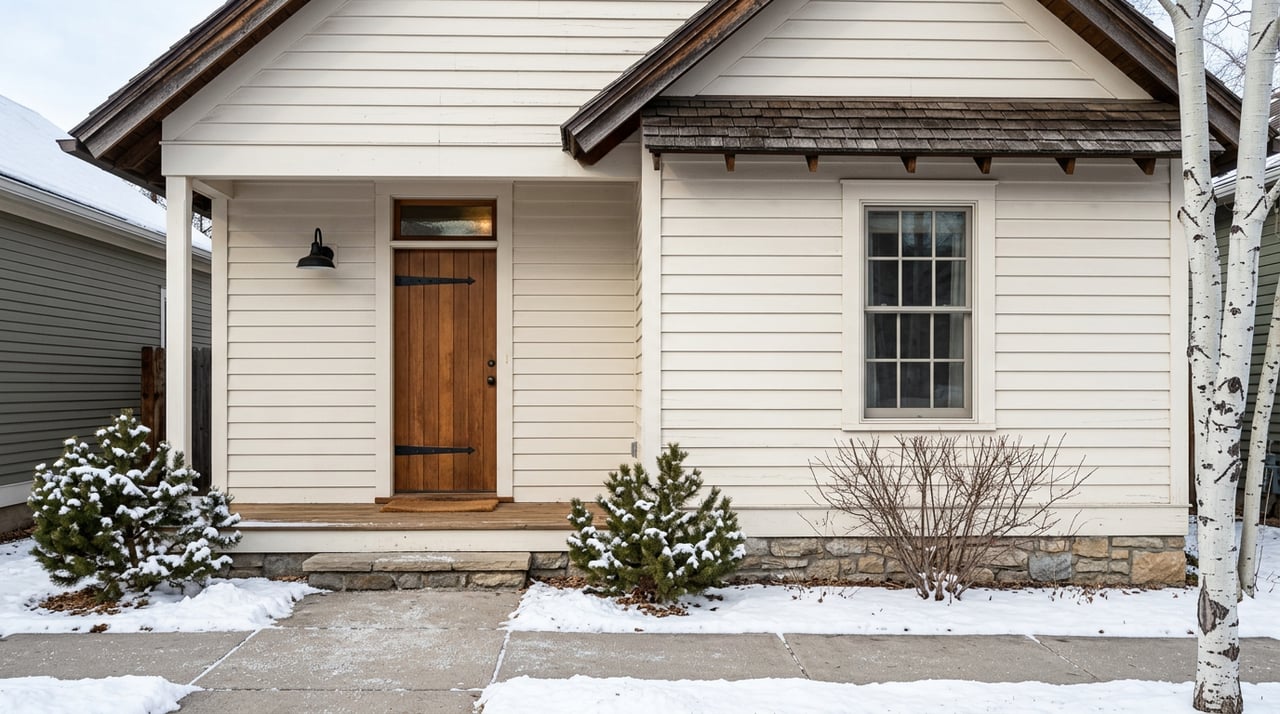
You will see mining-era hall-and-parlor and T or L cross-wing cottages, vernacular frame houses, and early commercial forms along Main Street. Some homes have Victorian-era details while others are modest and functional. The National Register documentation provides a rich glossary of these types and how they contribute to the district’s feel (architectural overview).
Lots, slopes, and parking
Lots are often narrow and steep with short street frontages. Many homes sit on or near grade transitions with retaining walls or exposed foundations on downhill sides. On-site parking can be limited. Public and event parking in Old Town is actively managed with permit systems and paid garages, which affects both daily life and guest planning (Parking Management Plan).
Renovation realities in historic houses
Common system issues to expect
Plan for older roofs and chimneys, non-insulated wall assemblies, original windows, and foundations that may need reinforcement. It is common to find galvanized plumbing, undersized electrical service, or legacy wiring in mining-era structures. A structural engineer and preservation-aware contractor are essential to assess safety and scope before you close.
Health and safety items
Homes built before 1978 may contain lead-based paint. Any renovation that disturbs paint surfaces must follow EPA Renovation, Repair and Painting rules, and sellers must provide required lead disclosures. You may also encounter asbestos in older materials, so build in time and budget for testing and certified abatement where required (EPA RRP guidance context).
Specialists you will likely need
- Preservation architect or architect familiar with Park City’s historic code.
- Structural engineer to review foundations, framing, and any retaining walls.
- Licensed contractors for electrical, plumbing, and HVAC upgrades.
- EPA Lead-Safe Certified contractors for paint disturbance in pre-1978 homes.
- A design reviewer or consultant to keep submittals aligned with guidelines.
City staff and the Historic Preservation Board offer pre-application guidance that can save you time. Reach out early through the historic district portal (city historic district page).
Financing and tax incentives
If you plan to buy and renovate, consider a mortgage that rolls improvements into the loan. FHA 203(k) is a well-known path for owner-occupants, pairing purchase and rehab with a structured consultant role and permit requirements (FHA 203(k) overview). Conventional renovation products also exist and can fit second-home or investment scenarios in some cases.
Utah’s state Historic Preservation Tax Credit has historically offered a 20 percent credit for qualifying residential rehabs when you follow the multi-part application with the State Historic Preservation Office. You must apply in advance and maintain compliance through construction, so engage the program early if your budget is significant (Utah state historic credit summary).
Short-term rentals in Old Town
Park City allows nightly rentals only in zones where they are permitted and only with an approved Nightly Rental License. The application includes inspections and documentation and typically processes in 15 to 30 days, though timing depends on city workload. Always confirm both zoning eligibility and any HOA rules before you underwrite rental income (Nightly Rental License overview).
Parking is central to STR planning. Some areas require off-street parking or a parking plan to keep guest impact manageable. Limited on-site parking and event restrictions make it smart to set guest expectations and house rules before peak seasons.
Character home or newer condo
A restored Old Town house gives you character and proximity to Main Street with independent ownership and no typical condo HOA. You should, however, expect higher maintenance and renovation costs, design review lead times, and potential access constraints on steep sites.
Newer condos and townhomes offer modern systems, structured parking, and HOA-managed maintenance. They can be easier to own day to day, but HOA rules may restrict exterior flexibility and rentals, and dues add ongoing cost. Your choice comes down to lifestyle priorities and tolerance for project complexity.
Buyer due diligence checklist
Use this quick list to protect your timeline and budget:
- Confirm zoning and whether nightly rentals are permitted for the parcel.
- Check if the address is on Park City’s Historic Sites Inventory and how it is classified.
- Ask for seller permit history, contractor receipts, and prior historic approvals.
- Order specialized inspections: structural and foundation, electrical service and wiring, plumbing and sewer lateral camera, chimney and roof, and lead or asbestos testing where appropriate.
- Get an insurance pre-quote with replacement cost and ordinance-or-law coverage.
- If planning exterior work, schedule a pre-application with Historic Preservation staff to map the HDDR steps and timeline.
- If using renovation financing or pursuing tax credits, align lenders and the Utah SHPO process before you close.
For quick orientation and documentation, start with the city’s historic district resources and design review guide (historic district resources hub and HDDR process). For deeper property research and period photos, the Park City Museum can be a great stop (Park City Museum).
Timelines and cost planning
- Nightly Rental License: plan for about 15 to 30 days plus time to complete inspections and pay fees (license steps).
- Historic District Design Review: minor repairs may be staff-level. Additions, new construction, or demolition can span several weeks to multiple months when you include design time and public noticing (design review overview).
- Renovation financing: allow extra time for appraisals and draw administration. FHA 203(k) Standard requires an approved consultant and an as-completed appraisal (FHA 203(k) overview).
- Budgeting: historic work often costs more per square foot to match materials and methods. Plan for temporary housing if the home is uninhabitable during construction.
Make your Old Town move with confidence
Old Town’s magic is real. Its walkable lanes, Main Street energy, and authentic architecture deliver a one-of-a-kind Park City experience. With the right plan, you can protect that character, maximize value, and enjoy a smoother purchase and renovation. If you want a boutique, high-touch approach backed by Summit Sotheby’s reach, multilingual support, creative marketing, and on-the-ground guidance, connect with Miriam Noel. We will help you evaluate addresses, coordinate specialists, and navigate design review from day one.
FAQs
What is considered “Old Town” Park City and why does it matter?
- Old Town centers on Main Street and surrounding mining-era residences in Park City’s 84060 area, where local historic guidelines and a formal design review process govern exterior changes and demolition.
How long does Historic District Design Review usually take?
- Minor work can be staff-level, while additions or new builds often span several weeks to multiple months when you include design time, submittals, and public noticing.
Can I operate a short-term rental in a historic Old Town house?
- Only if zoning allows nightly rentals for that parcel and you secure a Park City Nightly Rental License, which requires inspections and typically processes in about 15 to 30 days.
What inspections are critical for a mining-era Old Town home?
- In addition to a general inspection, plan a structural and foundation review, electrical service and wiring check, plumbing and sewer lateral camera, chimney and roof assessment, and lead or asbestos testing where applicable.
Are historic tax credits available for homes in Utah?
- Utah has historically offered a 20 percent state Historic Preservation Tax Credit for qualifying residential rehabs that follow the multi-part application and review process with SHPO.
How do Old Town parking rules affect daily life and rentals?
- Limited on-site parking and managed public parking mean you should confirm space counts, plan guest parking for STRs, and set clear expectations during peak events and holidays.