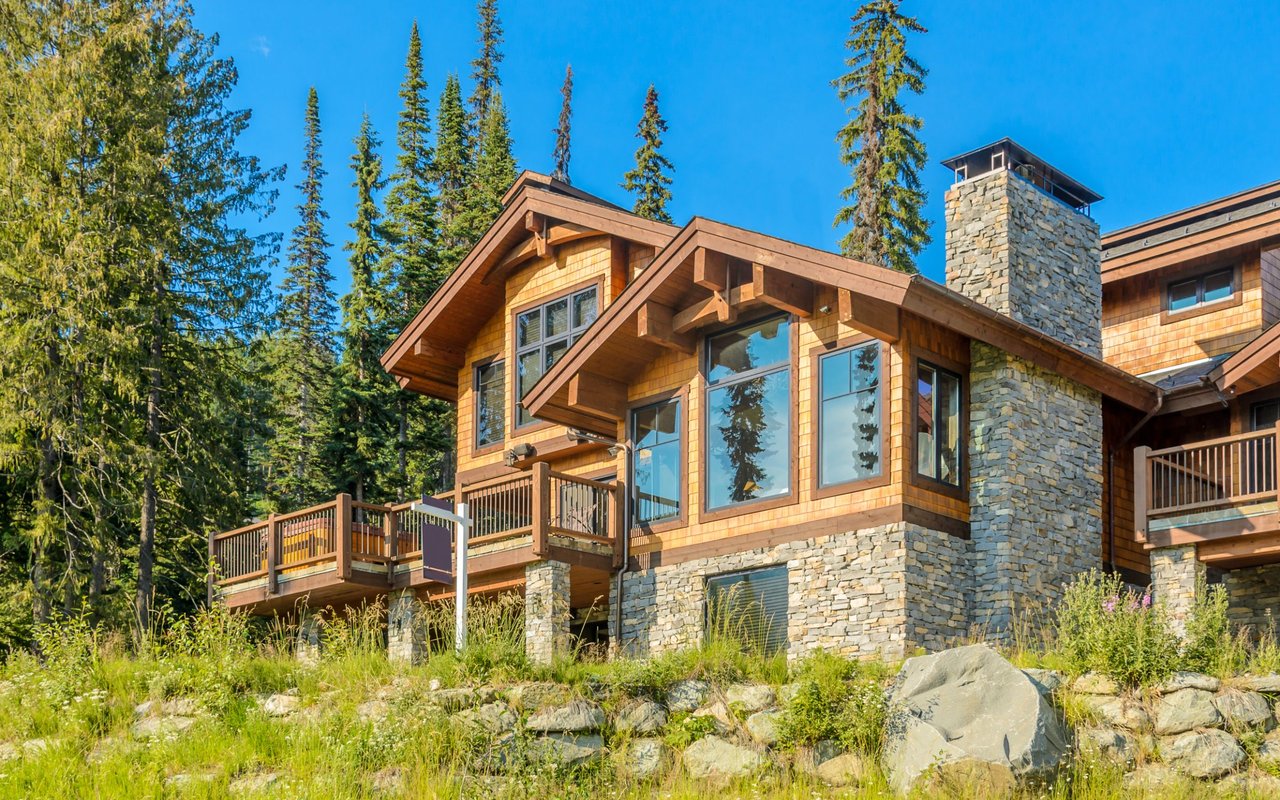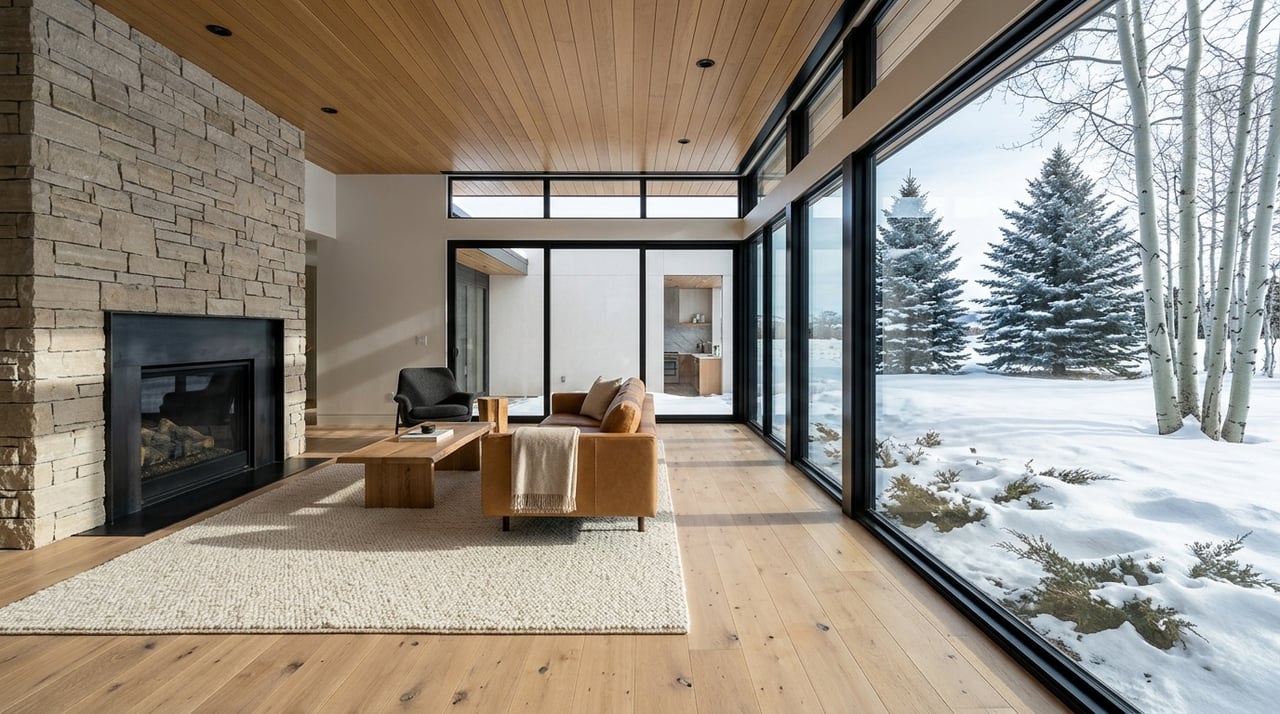
Thinking about buying new construction around Jordanelle Reservoir? It can be exciting to get a brand-new home near the lake and growing resort amenities, but this is not a simple one-builder, one-neighborhood market. You are buying into an active resort corridor with multiple jurisdictions, separate HOAs, phased infrastructure, and evolving timelines. This guide will help you understand what to verify before you sign, so you can move forward with more clarity and confidence. Let’s dive in.
Why Jordanelle New Construction Feels Different
The Jordanelle area is not just one subdivision. According to Wasatch County’s Jordanelle planning overview, the Jordanelle Basin is a planned resort-growth area and the 2018 Jordanelle Specially Planned Area created a 4,700-acre zone intended for hotels, golf, lake access, restaurants, and retail.
That big-picture planning matters because the area is still changing. On the west side of the reservoir, Hideout says it covers about 2,500 acres and is actively updating its general plan around land use, housing, transportation, and environmental preservation. In other words, when you buy here, you are buying into a place that is still being built out.
Growth Is Still Ongoing
Recent local data show how active construction remains. In its January 2026 newsletter, Hideout reported about 74 residential building permits in 2025 and 106 certificates of occupancy, along with several subdivisions continuing to take shape.
That does not tell you where prices will go. It does tell you that delivery is happening in phases, which makes timing, utility readiness, and HOA governance more important than many buyers expect.
Main Communities Around Jordanelle
If you are searching for new construction near Jordanelle, it helps to know that you are really comparing several different communities. Hideout’s developments page lists communities including Deer Springs, Deer Waters Resort, Golden Eagle, Hideout Canyon, Klaim, Lakeview Estates, Shoreline, and Soaring Hawk.
These communities are not all the same product type. The town notes that housing options range from twin homes and townhomes to luxury single-family homes, and HOA structures can vary by neighborhood.
Expect Different HOA Rules
One of the biggest mistakes buyers make is assuming all Jordanelle new construction operates under the same rules. It does not. Different neighborhoods may have different association structures, management companies, fees, design standards, and rental policies.
Before you remove contingencies, review the CC&Rs, budgets, minutes, reserve assumptions, and any transfer fees carefully. The Utah REPC also includes sections that address HOA and special-district fees, along with document delivery requirements such as budgets and financial statements, as outlined by the Utah Division of Real Estate.
Deer Valley East Village Is a Major Driver
A big part of the area’s momentum comes from Deer Valley East Village. According to Deer Valley’s official expansion materials, the East Village is accessible from U.S. Route 40 and includes skier services, retail, dining, and parking as part of a larger phased expansion.
The same materials describe a long-term concept that includes about 1,700 residential units, more than 800 hotel rooms, around 250,000 square feet of retail and commercial space, 68,000 square feet of recreation space, and 1,200 day-skier parking spaces. For buyers, that helps explain why the Jordanelle corridor continues to draw attention from second-home buyers, relocators, and investors.
Infrastructure Matters as Much as the Floor Plan
In a fast-growing area, the home itself is only part of the purchase. Infrastructure can affect your actual use and move-in timing just as much as finishes or views.
Hideout’s January 2026 newsletter notes a proposed Wildhorse development east of SR-248, plus a new sewer lift station partnership near Shoreline Phase 2, Lakeview, and Deer Waters. The town also created a temporary fire station near Jordanelle as an interim safety measure while a permanent station is anticipated as early as 2026.
What to Ask About Timing
When you are evaluating a new construction purchase, ask direct questions about:
- Utility readiness
- Road completion
- Phase delivery schedules
- Final inspections
- Certificate of occupancy timing
- Any off-site improvements still underway
A projected closing date is helpful, but it is not the same thing as confirmed occupancy.
Understand the Approval Layers First
One of the most important due diligence steps is confirming which jurisdiction controls the lot. Depending on the property, Wasatch County, Hideout, MIDA, and the subdivision HOA may all play a role.
Wasatch County says HOA approval is not required for a county building permit, but Hideout’s permit process can require subdivision-specific design review before plans move forward. Some neighborhoods require Master HOA design approval, while others require a Hideout design-review letter.
Why This Affects Buyers
This layered approval structure matters even if you are buying from a builder instead of building yourself. Delays in design review, contractor response times, inspections, or utility coordination can affect completion dates.
Hideout’s process also uses an online workflow and says plan review takes about two weeks, plus contractor response time. That may sound simple, but phased communities often move on several tracks at once.
Occupancy Timing Is Not Just a Closing Date
A common frustration in new construction is assuming that once your documents are signed, move-in is automatic. Around Jordanelle, occupancy depends on more than the contract timeline.
Hideout’s building standards say a permit expires if construction does not begin within one year or if the project is not completed and a certificate of occupancy is not obtained within two years, with up to one additional one-year extension for good cause. The same code states that a building cannot be occupied until a certificate of occupancy and land-use compliance have been issued, according to the town’s building and development standards.
Know Which Fees Could Affect Your Purchase
New construction costs are not always limited to the purchase price. In some communities, impact fees, transfer fees, utility-related charges, or HOA setup costs may affect your total cash needed.
Hideout’s impact-fee ordinance says the town collects water, transportation, storm drain, and sewer impact fees, and building permits are not issued until required town fees are paid and proof of certain other fees is provided. That does not mean every buyer will pay these directly, but it is smart to ask exactly how the builder contract allocates them.
Fee Questions Worth Asking
Ask for clarity on:
- Town impact fees
- HOA transfer or setup fees
- Utility connection or monthly utility structure
- Special district charges due at transfer
- Any builder-paid versus buyer-paid fee allocations
Clear answers up front can help you compare communities more accurately.
Get Buyer Representation Early
In Utah, buyer representation should be formalized early in the process. The Utah Division of Real Estate says licensees must execute a written buyer agency agreement when representing a buyer and must disclose agency relationships in writing before a binding purchase agreement is signed.
That is especially important in a developer sale, where the contract may contain builder-specific terms, fee allocations, HOA document delivery, and compensation language. If you are buying from out of market or buying remotely, this step becomes even more valuable.
Independent Inspections Still Matter
A brand-new home can still have issues. Cosmetic punch-list items, grading concerns, drainage details, mechanical adjustments, and incomplete finish work can show up even with a reputable builder.
HUD strongly encourages buyers to obtain an independent home inspection and notes that it is advisable to find the inspector independently of the buyer’s agent, as explained in HUD’s homebuying guidance. For Jordanelle new construction, that can be a practical way to catch issues before your warranty window starts to run.
Radon Should Be on Your Checklist
Radon is one of the most overlooked items in Utah new construction. The EPA says new homes can be built with radon-resistant features at minimal added construction cost, and buyers should ask for a radon reduction system and test after occupancy.
That advice is especially relevant here. Utah DEQ says roughly 30% of homes tested in Utah have the potential to be above the EPA action level, and the Utah Geological Survey has identified radon as a serious geologic hazard in the state. Even in a new home, radon planning and post-closing testing are smart steps, as noted by the EPA’s radon-resistant new construction guidance.
Read the Warranty Carefully
Builder warranties and home warranty products are not the same thing. According to the FTC’s guide to warranties on new homes, builder warranties often cover workmanship and materials for specific periods, often around one year for finish items, two years for certain systems, and sometimes up to ten years for major structural defects.
Coverage details can vary, and exclusions matter. The FTC also notes that these warranties often do not cover moving costs or appliances, so you should read the claim process, deadlines, and limitations closely before you rely on the coverage.
Check Rental and Wildfire Rules Before You Buy
If you plan to use the property part time or explore rental income, verify local use rules before closing. Hideout has adopted short-term and nightly rental regulations, and those rules may differ from what buyers expect.
Wildfire-related requirements matter too. Hideout says its wildland-urban-interface code applies to new construction and additions, and its wildfire information notes that more than 80% of Hideout is in a high-risk wildfire area according to WUI maps. That can affect insurance, landscaping choices, exterior materials, and long-term maintenance planning.
A Smart Buying Strategy for Jordanelle
If you are buying new construction around Jordanelle Reservoir, the best strategy is to think beyond the model home. The real due diligence is confirming the jurisdiction, reviewing HOA documents, understanding the contract, checking fees, planning inspections, and verifying occupancy timing.
This is one of the most dynamic growth areas near Park City, and that creates opportunity along with complexity. With the right guidance, you can compare communities more clearly, ask better questions, and avoid surprises that often show up late in the process.
If you want a more tailored plan for buying around Jordanelle, Miriam Noel offers personalized guidance for new construction, remote buyers, and resort-area purchases with a high-touch, detail-first approach.
FAQs
What makes buying new construction around Jordanelle Reservoir different from buying in a completed neighborhood?
- Around Jordanelle, you are often buying in a phased resort-growth area with multiple jurisdictions, evolving infrastructure, and different HOA structures depending on the community.
What should you review before buying a new construction home in Hideout or near Jordanelle?
- You should review the CC&Rs, HOA budget, minutes, reserve assumptions, transfer fees, design-review requirements, contract fee allocations, and expected certificate of occupancy timing.
Why is an independent inspection important for a brand-new home near Jordanelle Reservoir?
- An independent inspection can help identify punch-list items, grading issues, finish defects, or mechanical concerns that may not be obvious during a walkthrough.
Should you test for radon in a new construction home in Wasatch County?
- Yes, radon testing is a smart step because Utah has meaningful radon exposure risk, and new homes should still be tested after occupancy.
Can short-term rental rules affect a new construction purchase around Jordanelle?
- Yes, rental eligibility can vary by town rules and HOA restrictions, so you should verify both before you close if rental use is part of your plan.