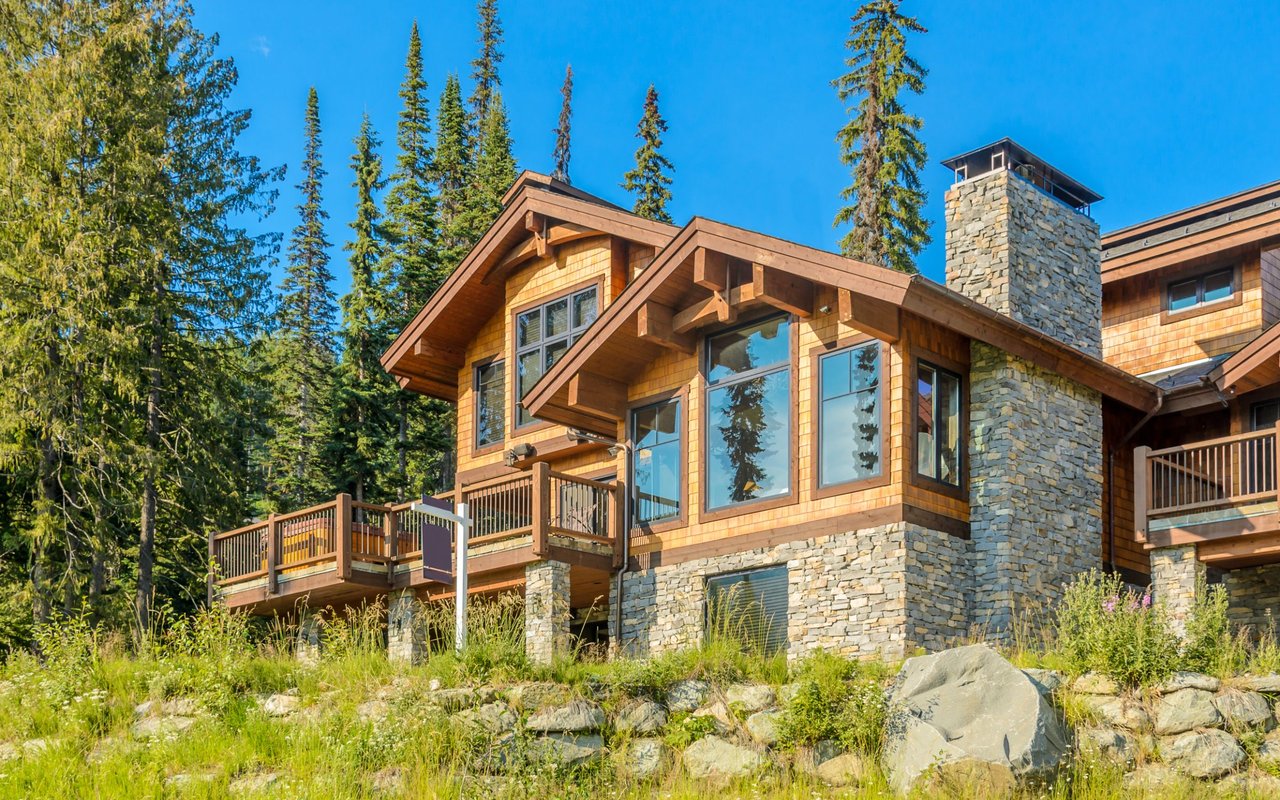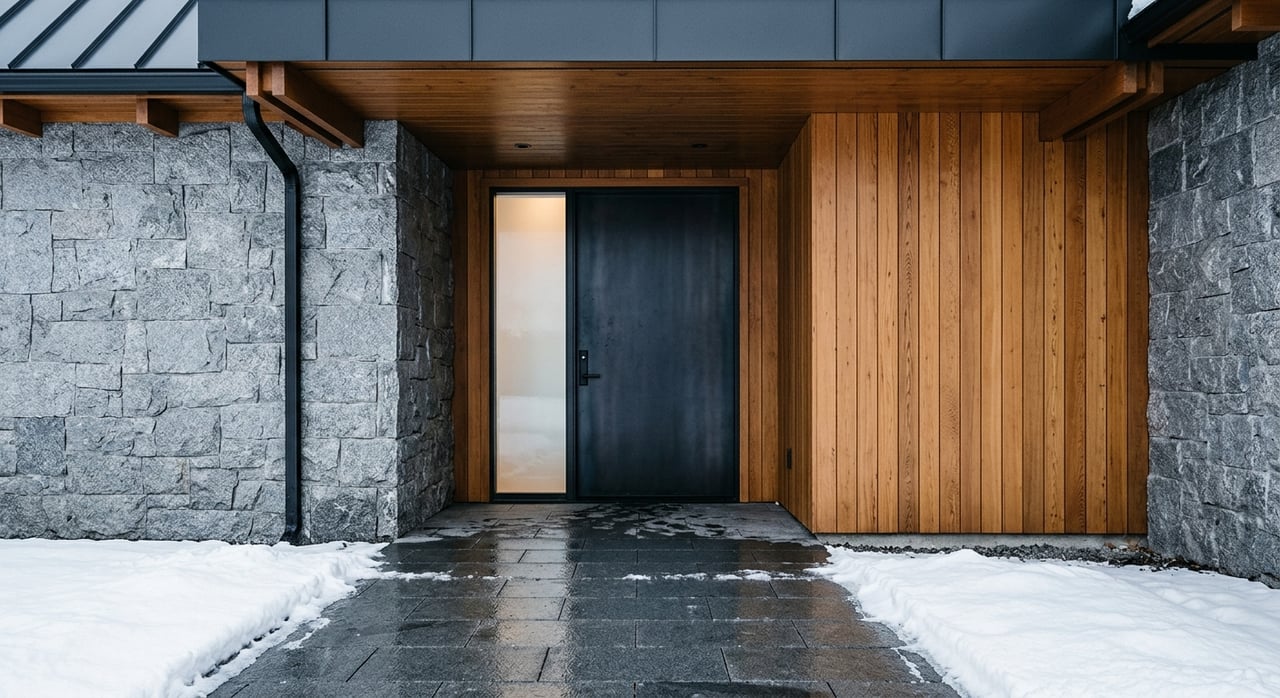
Choosing ski access in Park City sounds simple until you start looking at listings. One home says ski-in/ski-out, another promises a quick shuttle, and a third is close to everything but still requires a drive on powder days. If you want your purchase to match how you actually live, ski, and maybe rent the property, it helps to know what “access” really means here. Let’s break it down.
Why ski access is not one thing
In Park City, ski access works on a spectrum. At one end, you have true ski-in/ski-out properties where you can leave and return on skis without using a car or shuttle. In the middle, you have walk-to-lift or shuttle-supported homes that still make ski days easy. At the other end, you have drive-to-ski neighborhoods that trade direct slope access for different lifestyle and pricing advantages.
That distinction matters because two homes in the same general area can offer very different day-to-day experiences. It also matters for value, rental use, and how much friction you want on busy winter mornings.
Start with how you will really use the home
Before comparing neighborhoods, ask yourself three practical questions. How often will you actually ski when you are in Park City? How important is walkability versus space and privacy? Do you plan to use the home as a short-term rental, a second home, or a primary residence?
In Park City, those questions usually matter more than the neighborhood label alone. A buyer who skis nearly every day often values direct access very differently than a buyer who wants a full-time home with easy town access and room to spread out.
What true ski-in ski-out means
True ski-in/ski-out means you can access the mountain directly from the property without relying on a car, public bus, or resort shuttle. In Park City, the clearest examples are in Deer Valley, Canyons Village, and select Old Town or lower-mountain addresses.
This is usually the premium end of the market because it reduces daily hassle and adds a clear lifestyle benefit. If your ideal winter morning is stepping out the door and clicking in, this is the category to focus on first.
What walk-to-lift or shuttle access means
Walk-to-lift access usually means a short and reliable walk to a lift, base area, or transit stop. Shuttle-based access can still feel very convenient, especially in areas with established resort transportation or free public transit.
Park City Transit operates fare-free service with routes to Old Town, Deer Valley, Park City Mountain, and Kimball Junction. Deer Valley also offers complimentary transportation options through its own guest systems, which can make some non-slope-side properties feel much easier to use than they first appear.
What drive-to-ski means
Drive-to-ski properties depend more on parking, road conditions, and traffic flow. That does not make them a poor choice. It simply means your ski day includes one more step.
In Park City, this category often appeals to buyers who care more about price flexibility, year-round living, or easier highway access than direct mountain frontage. If you ski a handful of times each trip rather than every day, this can be a smart tradeoff.
Deer Valley for premium ski access
Deer Valley is the clearest example of premium ski access in Park City. Official resort lodging information highlights Snow Park, Silver Lake, Empire Pass, and Deer Valley East Village as areas with ski-in/ski-out or strong resort-connected access.
Each area offers a slightly different feel. Snow Park is a major base area, Silver Lake offers high-mountain convenience, Empire Pass is known for elevated luxury positioning, and Deer Valley East Village adds a new access point with more lifts and expanded terrain.
From a pricing standpoint, Deer Valley sits at the top of the local market. Reported median sale pricing has ranged from about $4.45 million in a 2025 market recap to $5.835 million in a Q1 2026 report across key Deer Valley areas, with some Deer Crest single-family homes and townhomes ranging from about $5.8 million to $18.75 million.
If you are also thinking about rental use, Deer Valley often has one of the clearest luxury short-term-rental stories because the resort offers rental-management infrastructure and many homes are designed with guest use in mind. Even so, zoning, HOA rules, and the specific property still matter.
Old Town for walkability and select ski access
Old Town is one of Park City’s most recognizable ski neighborhoods because it blends mountain access with in-town living. Park City Mountain notes that skiers can reach historic downtown via the Town Runs, which gives some addresses a rare mix of skiing and Main Street proximity.
This is not a uniform ski-in/ski-out neighborhood, though. Some properties offer direct or near-direct slope access, while others are better described as walkable to lifts, transit, dining, and events.
Old Town also has a wide pricing range because the housing stock varies so much. Reported pricing includes entry-level condos under $1 million, larger updated condos around $1.5 million to $3.5 million, and remodeled or newer single-family homes from about $3 million to $8 million or more. Zillow’s April 2026 typical home value for Old Town was $1.733 million.
For buyers who want short-term rental potential, Old Town is often one of the easier areas to evaluate because of its central location and condo inventory. Park City requires a nightly rental license for stays under 30 days where zoning allows it, so you still need to confirm zoning and HOA rules before making assumptions.
Park Meadows for in-town living first
Park Meadows is best understood as an in-town residential neighborhood, not a true ski-base area. You are close to Main Street and the resorts, but most owners access skiing by bus, bike, or a short drive rather than by stepping onto a ski run.
That makes Park Meadows appealing for a different reason. If you want an in-town setting with trail access, golf, and easy connections to other parts of Park City, it can be a strong fit.
The free Park City bus connects Park Meadows to Main Street, Park City Mountain Resort, Deer Valley, and Canyons Village. So while it is not ski-in/ski-out, it can still support a smooth ski routine for many buyers.
Pricing in Park Meadows generally sits below Deer Valley but above many basin neighborhoods. Zillow’s April 2026 typical home value was $2.668 million, while local market reporting placed smaller condos around $700,000 to $750,000 and luxury estates well above $3 million.
Rental potential here is more mixed. Local market reporting suggests detached homes are primarily owner-occupied and often do not allow nightly rentals, while condos and townhomes are more likely to be rental eligible. If you want a home that works for both personal use and occasional rental income, property type may matter more than the Park Meadows address itself.
Kimball Junction for value and convenience
Kimball Junction sits on the value-and-convenience end of the Park City access spectrum. It is not a true ski-access neighborhood, but it offers practical advantages that matter to many buyers, especially those who want easier I-80 access, newer product, shopping, and lower entry prices.
Transit is a major part of the story here. Park City Transit serves Kimball Junction, and park-and-ride connections plus broader regional transit options make it a useful base for getting around without always driving into the resort core.
From a pricing perspective, Kimball Junction is materially lower than the in-town resort market. Reported condo and townhome examples range from about $375,000 to $1.25 million, and the Q1 2026 Snyderville Basin condo median was reported at $925,000.
For rental strategy, Kimball Junction is best viewed as a year-round convenience market rather than a premium ski-base market. It may appeal to buyers who want flexibility and lower entry cost, but it generally does not command the same nightly rental positioning as direct-access resort inventory.
How rental rules affect your choice
If rental income is part of your plan, access alone is not enough. In Park City, any stay under 30 days requires a nightly rental license if the property is allowed by zoning. The city directs owners to confirm eligibility through its zoning map.
In unincorporated Summit County, a nightly rental license is also required. Summit County also states that properties used as nightly or short-term rentals do not qualify for the primary residence exemption.
The practical takeaway is simple. Rental potential is shaped by four things working together:
- Access type
- Property type
- Zoning
- HOA rules
That is why two similar-looking homes can perform very differently as rentals. A resort condo with direct ski access may have a much clearer rental path than a detached home in a more residential setting.
A simple way to compare neighborhoods
If you are deciding between Park City neighborhoods, it helps to compare them by use case instead of marketing language.
| Neighborhood | Best fit for | Access style | General price position |
|---|---|---|---|
| Deer Valley | Frequent skiers, luxury second-home buyers, some rental-focused buyers | True ski-in/ski-out and resort-supported access | Highest in market |
| Old Town | Buyers who want walkability, town energy, and some ski access options | Select ski-in/ski-out, walk-to-lift, transit-friendly | Broad range |
| Park Meadows | Buyers focused on full-time livability and in-town convenience | Bus, bike, or short drive to ski | Mid-to-upper tier |
| Kimball Junction | Buyers seeking value, convenience, and easier regional access | Transit-supported or drive-to-ski | Lower entry point |
This kind of comparison helps you avoid overpaying for features you may not use. It also helps you spot when a less obvious neighborhood could fit your lifestyle better.
How to choose with confidence
If you ski often and want the smoothest possible winter routine, Deer Valley or select Old Town properties may justify the premium. If you care more about year-round living and easy access to trails, town amenities, and daily conveniences, Park Meadows may feel like the better balance. If your goal is a more accessible price point with strong transit and road connections, Kimball Junction deserves a closer look.
The best choice usually comes down to how you want your days to feel. In a market like Park City, that lifestyle fit can matter just as much as square footage or finish level.
When you are comparing ski access in Park City, the smartest move is to look past the headline and study the daily experience, the ownership costs, and the property’s allowed use. If you want help narrowing the options by neighborhood, price point, and intended use, Miriam Noel can guide you through a personalized Park City search with local insight and concierge-level support.
FAQs
What does ski-in ski-out mean in Park City neighborhoods?
- In Park City, true ski-in/ski-out usually means you can leave and return on skis without using a car or shuttle, with the strongest examples in Deer Valley, Canyons Village, and select Old Town or lower-mountain properties.
Which Park City neighborhood offers the best ski access?
- Deer Valley is widely the clearest premium-market example of true ski access, while select Old Town properties also offer strong access paired with walkability.
Is Old Town Park City considered ski-in ski-out?
- Some Old Town properties offer ski-in/ski-out or near-direct slope access, but many are better described as walk-to-lift or transit-friendly rather than true ski-in/ski-out.
Is Park Meadows a good choice for skiers in Park City?
- Park Meadows can work well for skiers who want an in-town neighborhood near resorts, but it is generally a bus, bike, or short-drive location rather than a direct ski-access neighborhood.
Is Kimball Junction good for a ski property in Park City?
- Kimball Junction is usually best for buyers who want lower entry prices, shopping, transit access, and easier highway connections rather than direct slope access.
Can you use a Park City ski property as a short-term rental?
- You may be able to, but Park City requires a nightly rental license for stays under 30 days where zoning allows it, and HOA rules plus property type also affect whether short-term rental use is practical.
What should you compare besides ski access in Park City?
- You should also compare walkability, transit options, parking needs, property type, zoning, HOA rules, and whether the home fits your actual ski habits and year-round lifestyle.