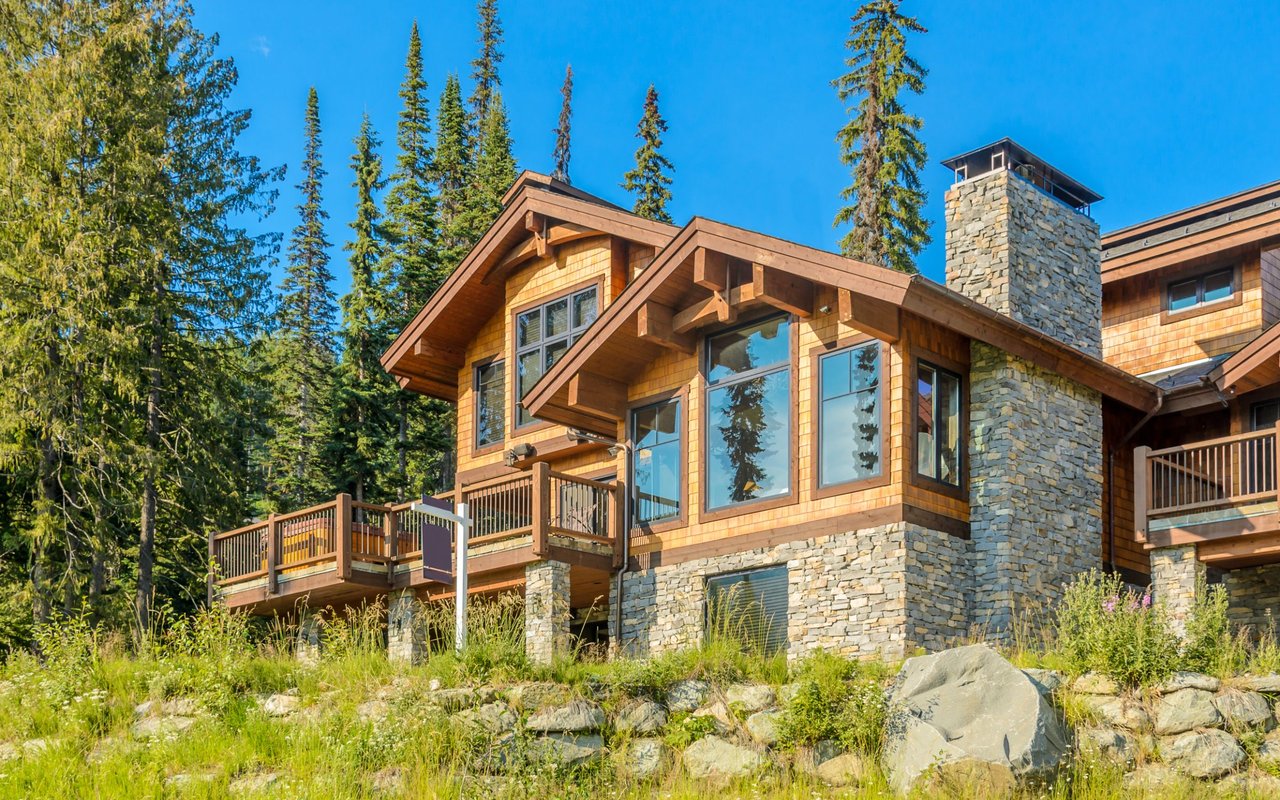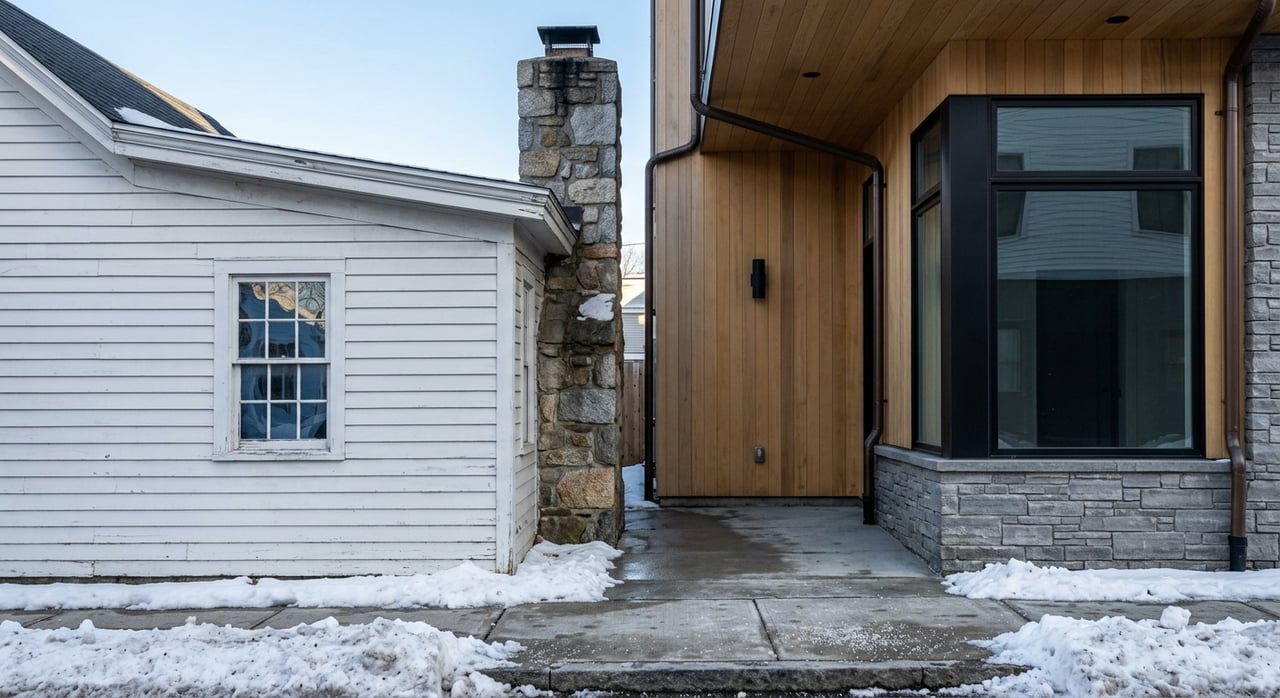
If you are torn between an Old Town condo and an Old Town cottage in Park City, you are asking the right question. In this part of Park City, the choice is not just about square footage or price. It is also about maintenance, parking, transit access, historic rules, and how you plan to use the property. This guide will help you compare both options so you can move forward with more clarity. Let’s dive in.
Why Old Town feels different
Old Town is Park City’s historic core, and that shapes the ownership experience in real ways. The Main Street Historic District has been on the National Register since 1979, and the city says Park City has more than 400 historic sites.
That historic setting is part of the appeal, but it also means some homes come with added design-review rules and practical limits. In Old Town, lifestyle details like walkability, transit, and parking can matter just as much as the layout inside your front door.
Park City Transit is fare-free, and Old Town has strong access to transit centers and express service. The Town Lift also connects Main Street to the mountain, which is a major convenience if you want quick ski access without relying on your car.
Old Town condos at a glance
Condos in Old Town often appeal to buyers who want a simpler ownership experience. In many buildings, shared responsibilities cover the exterior, snow removal, and other common maintenance items.
That can be especially attractive if you are buying a second home, travel often, or want a lock-and-leave property near Main Street. Instead of managing every detail yourself, you are usually stepping into a building with a more predictable system for upkeep.
Current listings show how wide the condo category can be. One Blue Church Lodge unit is listed at $840,000 with $1,174 per month in HOA dues that include utilities, snow removal, maintenance, storage, and spa access. A Town Pointe condo is listed at $2.399 million near Town Lift and Main Street, while a 580 Main condo highlights lower HOA fees, secure elevator access, garage parking, and onsite laundry.
Condo advantages for buyers
For many buyers, the biggest condo benefit is convenience. You may have less exterior work to think about, easier snow-season ownership, and a more streamlined setup if you spend only part of the year in Park City.
Condos can also line up well with buyers who want to be close to dining, shopping, skiing, and transit. If your goal is easy access and lower day-to-day property management, a condo can be the cleaner fit.
Condo tradeoffs to consider
The biggest tradeoff is control. HOA rules, shared systems, and monthly dues are part of the package, and those costs can be meaningful.
Park City’s 2025 annual financial report said the citywide median condominium price reached $1.9 million. So while condos are often more attainable than single-family homes, they can still feel expensive relative to size, especially once monthly dues are added.
Old Town cottages at a glance
Cottages and bungalow-style homes in Old Town usually offer a more independent ownership experience. If you want more privacy, a house-like feel, and more direct control over the property, this option often stands out.
That extra freedom can come with more responsibility. You may be handling more maintenance, more seasonal care, and more planning if you want to renovate or expand.
Current listings show that cottages are not all the same. A renovated 1890 Woodside Avenue bungalow is marketed as a fully furnished Old Town cottage, while a 1965 Old Town ski chalet advertises no HOA fees. At the same time, at least one Old Town single-family property carries a $2,400 annual HOA for heated shared-driveway maintenance.
Cottage advantages for buyers
A cottage can offer more character and a stronger sense of individual ownership. Many buyers are drawn to the architectural charm, the separation from shared walls, and the flexibility that comes with owning a detached home.
If you plan to live in Park City full time or want a more rooted residential feel, a cottage may align better with your lifestyle. You are often choosing autonomy over convenience.
Cottage tradeoffs to consider
Historic-review rules matter more here. Park City’s design guidelines say owners of historic sites may not demolish buildings without a rigorous approval process, and exterior changes such as additions, windows, and materials must remain compatible with the structure and district.
In practical terms, that can mean more time, more approvals, and more cost if you want to change the exterior of a historic cottage. For buyers who love updating properties, this is one of the most important parts of due diligence.
Condos vs cottages: the key differences
Here is the simplest way to think about it: condos usually trade autonomy for convenience, while cottages usually trade convenience for control.
A condo may suit you better if you want a managed building, shared amenities, and easy walkability. A cottage may suit you better if you care more about privacy, independence, and a true house experience in Old Town.
| Factor | Old Town Condos | Old Town Cottages |
|---|---|---|
| Ownership style | Shared building responsibility | More owner responsibility |
| Maintenance | Often lower day-to-day burden | Usually more hands-on |
| HOA costs | Often monthly and can be significant | May be none, modest, or property-specific |
| Privacy | Typically less private | Typically more private |
| Renovation flexibility | Depends on building rules | Often more control, but historic review may apply |
| Best fit | Second-home and lock-and-leave buyers | Full-time residents or buyers seeking autonomy |
Price and carrying costs matter
The purchase price is only part of the decision. In Old Town, carrying costs can shift the math in a big way.
Park City reported a citywide median condominium price of $1.9 million and a median single-family home price of $3.9 million in 2025. That gap helps explain why condos are often the first stop for buyers who want Old Town access at a lower entry point than a detached home.
But you also need to look beyond the sale price. Monthly HOA dues, exterior upkeep, snow management, insurance considerations, and parking-related costs can all affect what ownership feels like over time.
Property taxes in Park City
Taxes can vary based on how you use the home. Utah and Summit County say the primary-residence exemption taxes a qualifying home at 55 percent of fair market value.
Vacation homes and nightly or short-term rentals do not qualify for that exemption. That means if you are buying a second home, whether it is a condo or a cottage, your property tax bill may be materially higher than it would be for a qualifying full-time primary residence.
This is one reason it helps to compare properties based on total annual ownership cost, not just sticker price. Two homes with similar asking prices can perform very differently once taxes and recurring fees are included.
Parking and access can change your experience
In Old Town, parking is not a small detail. It is a major quality-of-life factor.
Park City says paid parking is implemented in city-owned Old Town lots, and residential permit rules are enforced. If you are buying a property for part-time use, remote management, or guest stays, it is smart to understand exactly what parking comes with the home and what does not.
This is where some condos have an edge, especially if they include garage parking or controlled access. On the cottage side, parking can be more variable, and that can affect convenience in both winter and peak visitor periods.
Rental use is property-specific
If you are buying with rental income in mind, avoid broad assumptions. In Old Town, rental flexibility is not determined by property type alone.
Park City requires a nightly rental license for stays under 30 days where zoning allows it. Buyers also need to verify municipal zoning and, for condos, any HOA rules before assuming a property can be used the way they want.
Some listings may advertise rental-friendly status or no rental cap, but that does not mean every condo or cottage in Old Town has the same flexibility. For investors, the real question is whether the specific property has the right combination of zoning, building rules, parking, and carrying costs.
Which option fits your goals?
If you want a low-maintenance second home with easy ski and Main Street access, a condo may be the better fit. This path often works well for buyers who travel often, want simpler ownership, or prefer a more turnkey setup.
If you want privacy, architectural character, and a more independent ownership experience, a cottage may be worth the added responsibility. This can make sense for full-time residents or buyers who value the feel of a detached home in a historic area.
For investment-minded buyers, the answer is often less about condo versus cottage and more about the exact operating profile of the property. Rental permissions, parking, taxes, HOA structure, and maintenance demands usually matter more than the label itself.
In a market as nuanced as Old Town, the right fit comes from matching the property to your real lifestyle and ownership goals. If you want a thoughtful, concierge-level comparison of specific Old Town options, Miriam Noel can help you evaluate the details with clarity and local insight.
FAQs
What is the main difference between Old Town condos and cottages in Park City?
- Old Town condos usually offer easier maintenance and more shared management, while cottages usually offer more privacy and owner control with more hands-on responsibility.
Are HOA fees common for Old Town condos in Park City?
- Yes. HOA fees are common for Old Town condos, and they can be significant depending on the building, services, and amenities included.
Do Old Town cottages in Park City always have no HOA?
- No. Some cottages may have no HOA, but others can have annual fees tied to shared access or maintenance arrangements.
Do historic rules affect Old Town cottages in Park City?
- Yes. Historic-review rules can affect demolition, additions, windows, and exterior materials for qualifying historic properties in Old Town.
Can you use an Old Town condo or cottage as a nightly rental in Park City?
- It depends on the specific property. You need to confirm zoning, city licensing requirements, and any building or HOA rules before assuming nightly rental use is allowed.
Are property taxes different for second homes in Park City?
- Yes. A qualifying primary residence receives a tax exemption based on 55 percent of fair market value, while vacation homes and short-term rentals do not qualify for that same treatment.
Why does parking matter so much in Old Town Park City?
- Parking affects daily convenience, guest access, and remote ownership logistics because Old Town has paid city lots, enforced permit rules, and property-by-property differences in available parking.