If you are thinking about buying land or building from afar in Hideout, Utah, the scenery is the easy part. The harder part is understanding who approves what, which rules apply to your parcel, and how to keep a project moving when you are not on site every day. With the right plan, you can make smart decisions remotely and avoid costly surprises. Let’s dive in.
Why Hideout requires extra planning
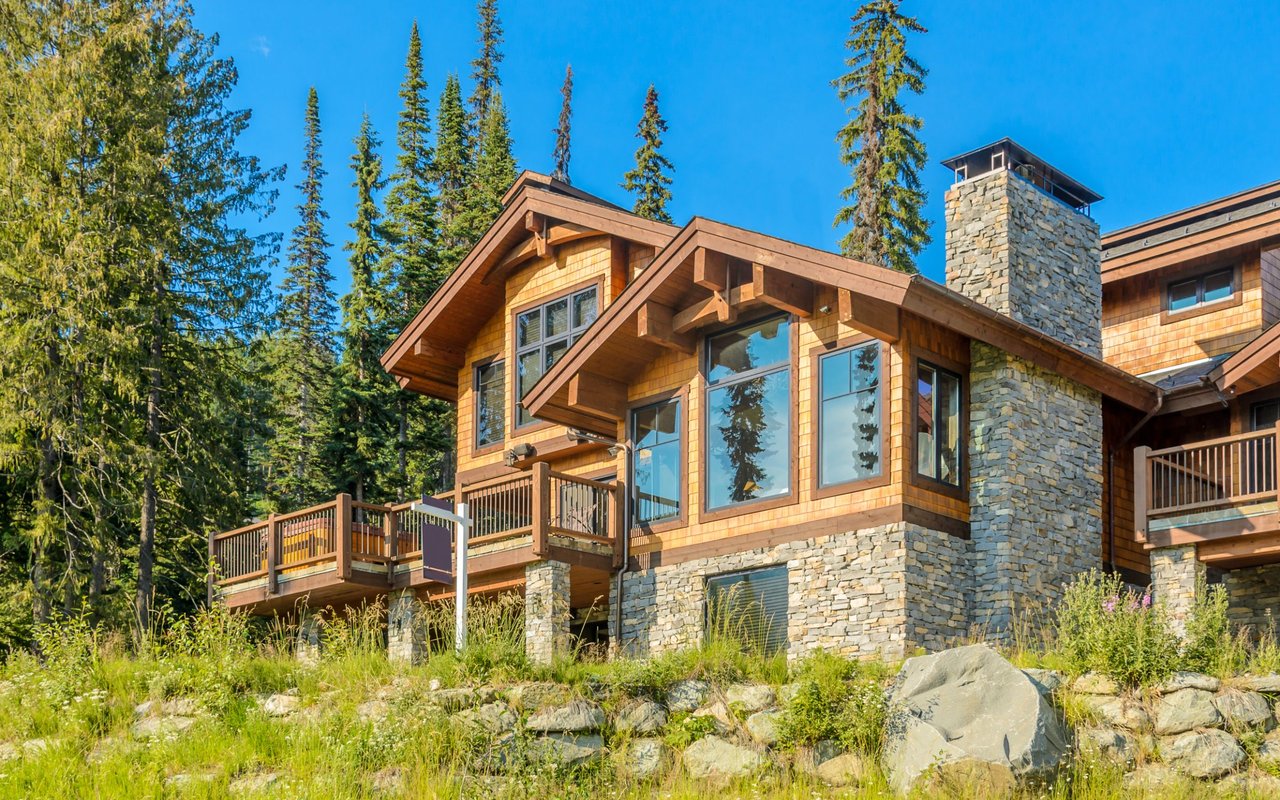
Hideout is a small mountain town in Wasatch County with more than 800 residents across about 2,500 acres near Jordanelle Reservoir. The town highlights shoreline trails, connections to Park City, and views toward Deer Valley, the Wasatch Mountains, and Jordanelle Reservoir. Housing in Hideout includes twin homes, town homes, and luxury single-family homes.
That mountain setting is a big part of the appeal, but it also makes due diligence more important. Hideout has been updating its General Plan in 2026, with public discussion focused on transportation, pedestrian connections, parks, trails, recreation, possible annexation areas, and future growth. Because the General Plan guides zoning, subdivision, and other land use rules, remote buyers should rely on current town documents, not older marketing materials.
Start with the parcel’s approval path
Before you think about design ideas, finish selections, or construction timing, confirm which review body controls the property. In Hideout, that answer can vary by development. This is one of the most important first steps for a remote buyer.
The town’s development information shows that some neighborhoods require HOA design review approval, while others require a Hideout Design Review Committee approval letter. For example, Hideout Canyon, Soaring Hawk, Golden Eagle, and Shoreline use the HOA DRC path. Deer Springs, Deer Waters Resort, Lakeview Estates, and Klaim require a Hideout DRC approval letter.
That means two lots with similar views can have different review processes. If you are buying remotely, your first due diligence question should be simple: Who has authority over this exact parcel?
Understand the extra review layers
In some Hideout communities, approval does not come from the town alone. The Community Preservation Association acts as the master community association for Hideout Canyon, Soaring Hawk, Golden Eagle, and other areas in the Town of Hideout. Its design review process is separate from the town permit process and is required in applicable communities.
Those design guidelines are detailed. They call for a licensed architect, an approved contractor, a site evaluation, and written approvals. They also note that owner-builders are generally discouraged and that verbal discussions do not count as approval.
For a remote owner, this matters because informal conversations are not enough. If something is important, it needs to be documented in writing and saved carefully.
Why site conditions shape the project
In Hideout, the lot itself often drives the design more than buyers expect. The town’s zoning code places a strong focus on open space, sensitive land, drainage, slopes, geologic conditions, and view corridors. In the Mountain Zone, at least 20 percent open space is required, and that space is meant to help protect features like slopes, unstable soils, wetlands, ridgelines, streams, drainage corridors, wildlife habitat, and other natural resources.
This is one reason mountain building can feel more complex than building in a flatter suburban setting. Planned Performance Developments in Hideout are intended to cluster units, preserve permanent open space, and fit architectural styles to the land. In practical terms, your lot lines do not tell the full story. The buildable reality depends on the site, the governing rules, and the supporting analysis.
What your plans may need to show
A remote buyer should expect the site plan to carry a lot of weight. Hideout’s zoning rules require documentation tied to existing conditions, topography, sensitive lands, geotechnical analysis, drainage, utilities, streets, and conceptual elevations. In the Mountain Zone, dwellings must also be designed and built in line with recommendations from a licensed geotechnical professional.
Some community design guidelines go further. In Hideout Canyon, the review process looks at existing vegetation, slope, solar orientation, and view corridors. The same guidelines also make clear that unobstructed views are not guaranteed and that no view easement is created.
That can be especially important if you are buying from a distance based on photos, videos, or a few in-person visits. A strong view today does not automatically mean permanent view protection tomorrow.
Remote permitting is possible in Hideout
The good news is that Hideout does allow online permit management through City Inspect. More than one person on the construction team can have a City Inspect account, which can help an owner, agent, architect, contractor, or project manager stay aligned. For remote buyers, that shared visibility can be a major advantage.
Still, the process depends on complete paperwork. The permit process requires specific attachments before a permit can move forward. Depending on the property, that can include HOA-approved drawings, a Wasatch County Fire District permit, a signed Construction Acknowledgement Agreement, a payment receipt for water or sewer impact fees to the Jordanelle Special Service District, and an owner-to-builder authority letter.
The takeaway is straightforward: remote building is possible, but it works best when every required document is gathered early and tracked carefully.
Plan around the actual timeline
Hideout’s permit handout gives a useful benchmark for timing. Plan review takes about 14 working days after the deposit and complete submittal are received. That is a helpful starting point, but only if the package is complete.
The process also includes multiple inspections, such as preconstruction, utility, rough, and final inspections. A licensed surveyor must verify building height at the 4-way rough inspection, and landscaping must be completed within 90 days after the final certificate of occupancy is issued. For an out-of-area owner, that means you need a project calendar, not just a construction contract.
Build a remote workflow that protects you
When you are not local, the safest approach is a documentation-first system. The design review guidelines in applicable communities state that written approvals are the only valid approvals, and that final plan approvals can expire after one year if work stalls. Any later changes must be resubmitted.
A smart remote workflow usually includes:
- Confirming the parcel’s exact development and review authority
- Collecting the current plat, zoning information, and governing documents
- Verifying whether HOA review, Hideout DRC review, or both may apply
- Working with licensed local professionals who understand Hideout requirements
- Saving dated PDFs of plans, approvals, permits, and revision notes
- Requesting recurring photo and video updates during construction
- Tracking inspections, deadlines, and landscaping requirements on a shared calendar
This kind of system helps you stay informed without needing to fly in for every step.
Utility setup can be handled in part online
Utility coordination is another area where remote owners can save time with the right process. The town provides online forms for construction water meter service, fire hydrant water meter service, new water meter installation, and utility service transfers for a new owner or tenant. That does not remove the need for oversight, but it can make the administrative side more manageable from afar.
For buyers planning a build, these details matter because utility steps often affect project timing. Knowing what can be handled online helps you keep momentum and avoid last-minute scrambling.
What remote buyers should focus on first
If you are serious about buying and building in Hideout from another city, state, or country, keep your priorities in this order:
1. Identify the exact lot controls
Find out which neighborhood the parcel sits in and which body reviews the project. This can shape everything from design expectations to timing.
2. Review current town documents
Because Hideout is actively updating long-range planning, current materials matter. Focus on the latest zoning and development guidance tied to the property.
3. Assemble local support early
A mountain build moves more smoothly when your architect, contractor, and project team understand the local review and permit environment. This is especially important when geotechnical and site-specific factors affect design.
4. Create a reporting system
Do not rely on memory or casual text updates alone. Ask for regular photos, video walkthroughs, permit status updates, and inspection summaries.
5. Keep every approval in writing
In Hideout, written approvals matter. Organized records can help you verify exactly what was approved, when it was approved, and whether later changes require another review.
Why guidance matters in a market like Hideout
Hideout offers a compelling mountain setting with access to views, trails, and the broader Park City and Jordanelle area. But for remote buyers, success usually comes down to process, not just property. The most attractive lot can still become a frustrating project if the review path, site conditions, and permit requirements are not understood from the start.
That is why local guidance can make such a difference. When you have someone helping you track the parcel, the paperwork, the approval sequence, and on-the-ground progress, the experience becomes much more manageable and much more transparent.
If you are considering a remote purchase, new build, or lot in Hideout, Miriam Noel offers personalized guidance with hands-on support for mountain and resort clients, including remote buyer management and construction progress oversight.
FAQs
What makes remote buying in Hideout different from buying in other mountain towns?
- Hideout has layered approval paths that can vary by development, plus site-specific rules tied to zoning, open space, slopes, drainage, and geotechnical conditions.
What should you verify first before buying a lot in Hideout?
- You should confirm the parcel’s exact development and determine whether it falls under HOA design review, a Hideout DRC approval process, or another governing path.
Can you manage a building permit remotely in Hideout?
- Yes. Hideout accepts online permit applications through City Inspect, and multiple people on the project team can have account access.
What documents may be needed for a Hideout building permit?
- Depending on the project, required items can include approved drawings where applicable, a Wasatch County Fire District permit, a signed Construction Acknowledgement Agreement, impact fee payment receipts, and an owner-to-builder authority letter.
Do view corridors in Hideout guarantee permanent views?
- No. Community design guidelines in applicable areas state that unobstructed views are not guaranteed and that no view easement is created.
Why is written documentation so important for a Hideout build?
- Applicable design guidelines state that written approvals are the valid approvals, verbal conversations do not count for determinations, and changes may need to be resubmitted for review.