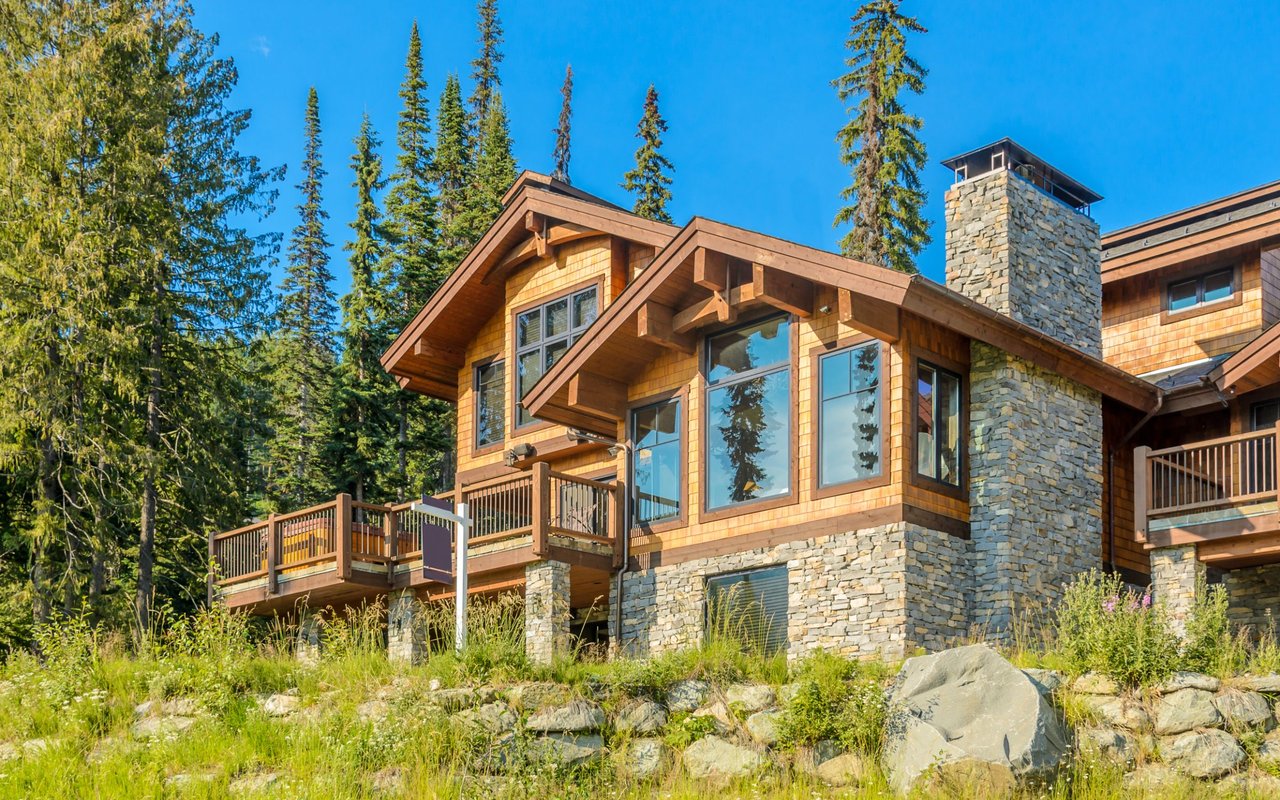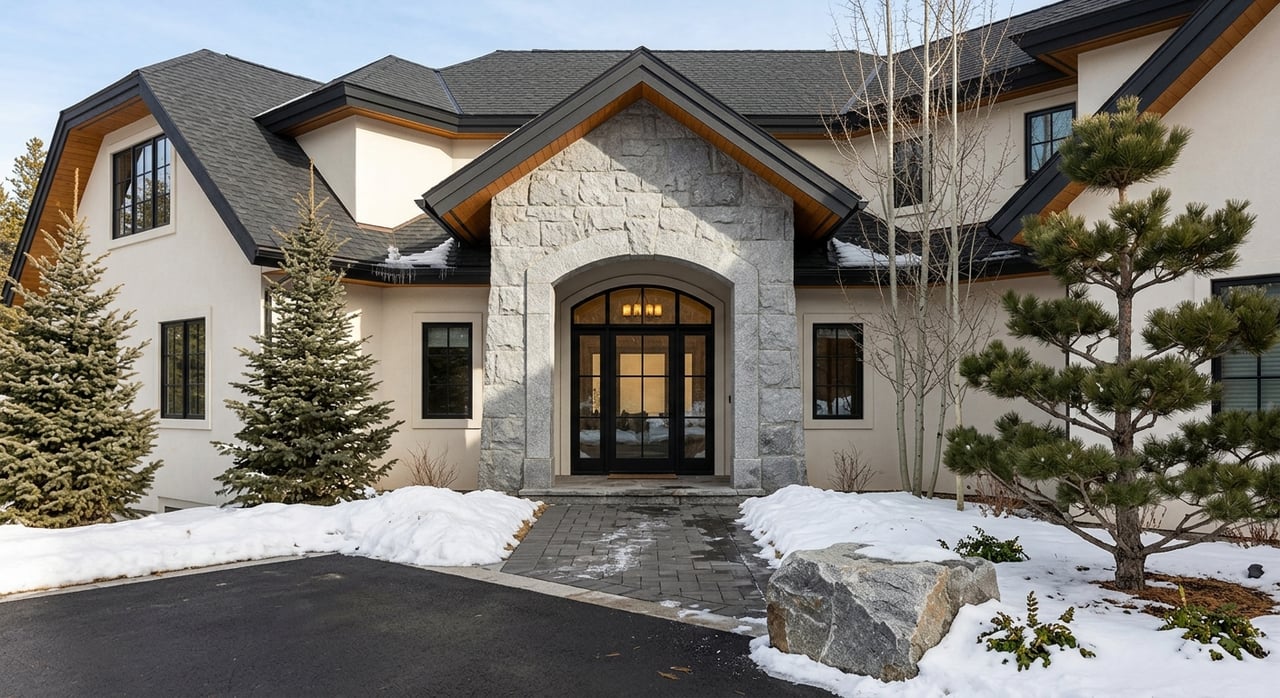
Wondering whether Upper Deer Valley or Lower Deer Valley is the better condo buy for you? It is a common question, especially when both areas offer a strong resort lifestyle but feel very different once you look at ski access, daily convenience, price point, and long-term use. If you are trying to decide where your money will go further and which setting fits how you actually want to live, this guide will help you compare the two with more clarity. Let’s dive in.
How Buyers Define Upper and Lower Deer Valley
In local resort shorthand, Lower Deer Valley usually means the Snow Park and base-area side. Upper Deer Valley typically refers to Silver Lake and Empire Pass, which sit higher on the mountain.
That distinction matters because each area supports a different kind of ownership experience. Lower Deer Valley tends to feel more connected to town and base-area activity, while Upper Deer Valley leans more into ski access, privacy, and a resort-residential setting.
Lower Deer Valley Lifestyle
Lower Deer Valley centers around Snow Park, which is the main resort entrance and premier base area. Deer Valley describes it as close to Snow Park Lodge, ski school, the Children’s Center, and beginner-friendly terrain like Wide West.
For you as a buyer, that often means easier daily logistics. If you plan to ski with children, host guests, or go back and forth between the slopes and Historic Main Street, Lower Deer Valley can feel more convenient and flexible.
Deer Valley also notes that Historic Main Street is about a mile away, with year-round shuttles and public transit available. That can reduce your dependence on a car and make dining, shopping, and events easier to access.
Upper Deer Valley Lifestyle
Upper Deer Valley generally includes Silver Lake and Empire Pass. Silver Lake is Deer Valley’s mid-mountain village area, while Empire Pass sits higher and is known for newer accommodations and a more secluded feel.
This side of Deer Valley is often more ski-focused. Many properties offer direct mountain access, ski-in/ski-out convenience, or resort shuttle service that supports a true slope-centered routine.
If your ideal day starts with clicking into skis near your door and ends in a quieter alpine setting, Upper Deer Valley may feel more aligned with your lifestyle. It tends to offer a stronger resort-residential atmosphere than the lower side.
Ski Access and Daily Convenience
Lower Deer Valley: Easier Town Access
Lower Deer Valley is usually the more practical choice if you want a blend of skiing and in-town convenience. Snow Park gives you proximity to base operations, beginner terrain, ski school, and a straightforward route to Main Street.
That makes it appealing for buyers who want a second home that works well for a range of trip styles. You may ski hard one day, then spend the next enjoying town, dining out, or hosting friends who are less focused on mountain access.
Upper Deer Valley: A Ski-First Experience
Upper Deer Valley is more about direct access and a mountain-immersed setting. Silver Lake and Empire Pass support the kind of ownership experience where skiing is often the center of the day.
This can be especially appealing if you value true ski-in/ski-out living or want a more tucked-away environment. In practical terms, Upper Deer Valley often feels more like staying within the resort, while Lower Deer Valley feels more connected to both the resort and town.
Dining and Après Differences
Lower Deer Valley Dining
On the lower side, you are closer to both base-area dining and Park City’s in-town restaurant scene. Deer Valley highlights options such as Snow Park Restaurant, Cast & Cut, Deer Valley Café, and The Brass Tag in the broader lower-area mix.
This location can be useful if you want more variety within a short ride. It also fits buyers who see dining and town access as part of the overall value of ownership.
Upper Deer Valley Dining
In Upper Deer Valley, dining is more centered around resort venues. Silver Lake Lodge includes Mariposa and Royal Street Café, while Empire Pass offers Empire Canyon Grill and Fireside Dining, with Montage Deer Valley also nearby.
For some buyers, that is exactly the point. If you prefer an elevated resort atmosphere and plan to spend most of your time on the mountain, Upper Deer Valley’s dining scene can feel more seamless and self-contained.
Price Differences to Expect
The research points to a meaningful price gap between the two areas. As of March 31, 2026, Zillow’s neighborhood home value index estimated Upper Deer Valley at $4,747,822 and Lower Deer Valley at $2,878,180.
These are neighborhood-wide figures, not condo-only medians, so they should be treated as directional. Still, they clearly show that buyers are generally paying a premium for the upper side.
Inventory also appears tighter in Upper Deer Valley. In that same Zillow snapshot, Lower Deer Valley showed 44 homes compared with 20 in Upper Deer Valley, which supports the idea that the lower side often gives buyers more options and a broader range of product.
Local reporting adds more context. In Q3 2025, Park City Board of REALTORS® reporting indicated that buyers were willing to pay 20% to 30% more for new, pristine construction than for comparable existing homes, and Q4 2025 reporting showed Upper Deer Valley’s median price on 22 sold homes reached $4.9 million.
Building Age and Product Type
One of the clearest differences between Upper and Lower Deer Valley is the age of the condo stock. Snow Park has been a Deer Valley entry point since 1981, so Lower Deer Valley often includes more legacy buildings.
That does not automatically mean lower quality. It simply means you may see a wider mix of older condo communities, established lodge-style properties, and buildings with different renovation levels.
Upper Deer Valley, especially Empire Pass, includes more of the resort’s newer accommodation product. If you are prioritizing newer finishes, newer amenity packages, and a more current luxury-resort feel, the upper side often commands that premium for a reason.
Snow Park Changes Matter
Lower Deer Valley is not standing still. Deer Valley’s Snow Park Base is being reimagined into a walkable village with new shops, restaurants, après venues, a transit hub, structured parking, and expanded slope-side access.
For buyers, that creates an important long-term consideration. When you buy in Lower Deer Valley, you are not just buying current convenience. You are also buying into an area that is actively evolving.
HOA Fees and Amenities
HOA structure is one of the biggest practical filters when comparing condo options. Fees vary on both sides, but the amenity package often drives the monthly cost.
In Lower Deer Valley, some legacy-style properties may have relatively modest dues. The research cites a Courchevel listing with HOA dues of $385 per month, while other lower-side properties such as Silver Baron and Lodges at Deer Valley showed dues ranging from about $650 to $1,762 per month with amenities like shuttle service, pools, fitness rooms, front desk or on-site management, ski check, and underground parking.
Upper Deer Valley and Empire Pass often come with higher monthly carrying costs. Current listing examples in the research showed HOA fees of $1,021, $1,242, $1,650, $2,095, $2,216, and as high as $4,397 per month, often tied to amenities such as ski-in/ski-out access, ski lockers, ski valet, club access, pools, hot tubs, fitness rooms, and après lounges.
When you compare properties, it helps to ask a simple question: are you paying for features you will use often? A higher HOA may be worth it if the services match how you plan to own and enjoy the property.
Rental Potential and What to Verify
If rental income is part of your buying strategy, the building matters as much as the location. Park City requires a Nightly Rental License for stays under 30 days when the property is allowed by zoning, and the city says the process also requires a Utah state sales tax ID and an inspection, with approvals generally taking 15 to 30 days.
That means rental potential depends on three layers. You need to confirm city zoning, HOA rules, and the building’s own rental setup before you rely on projected income.
Some Deer Valley condos are marketed with lockout layouts or hotel-style configurations that may support more flexible use. The research cites a Lodges at Deer Valley listing with a three-key lockout configuration and notes that other listings mention nightly rental programs or lockouts designed to maximize income.
If you are focused on investment performance, verify the exact rules for the specific building you are considering. Two condos in the same broad area can have very different rental realities.
Which Side Fits You Best?
Choosing between Upper and Lower Deer Valley usually comes down to how you plan to use the property most often.
Lower Deer Valley May Fit You Better If:
- You want easier access to Main Street
- You expect to use ski school or beginner terrain often
- You value a base-area setting with simpler daily logistics
- You want a broader range of condo options and price points
- You are interested in the long-term evolution of the Snow Park area
Upper Deer Valley May Fit You Better If:
- You want a more ski-centric ownership experience
- You prefer a higher-elevation, more secluded setting
- You are looking for stronger ski-in/ski-out orientation
- You want newer luxury condo inventory and a resort-residential feel
- You are comfortable with a higher entry price and often higher HOA dues
A Simple Way to Decide
If you are torn, think about what would matter more on a typical trip: getting to town easily or getting on the mountain easily. That one question often clarifies the decision faster than any brochure or amenity list.
In simple terms, Lower Deer Valley is usually the more convenient and town-adjacent option, while Upper Deer Valley is usually more ski-centric, more secluded, and typically more expensive. Neither is universally better. The right fit depends on how you want your Deer Valley condo to work for you.
If you want help comparing specific buildings, HOA structures, rental setups, or current opportunities in Deer Valley, Miriam Noel can guide you through a personalized search with local insight and white-glove support.
FAQs
What is the difference between Upper Deer Valley and Lower Deer Valley for condo buyers?
- Lower Deer Valley usually refers to Snow Park and the base-area side, while Upper Deer Valley typically refers to Silver Lake and Empire Pass, which are higher on the mountain and generally more ski-focused.
Which Deer Valley area is better for ski-in ski-out condos?
- Upper Deer Valley generally offers a stronger concentration of ski-in/ski-out or direct mountain-access condos, especially in Silver Lake and Empire Pass.
Which Deer Valley area is closer to Main Street Park City?
- Lower Deer Valley is closer to Historic Main Street, with Snow Park located about a mile away and served by shuttle and public transit options.
Are Upper Deer Valley condos more expensive than Lower Deer Valley condos?
- The research suggests yes, with neighborhood-level pricing snapshots showing a clear premium in Upper Deer Valley compared with Lower Deer Valley.
Do Deer Valley condos allow nightly rentals?
- Some do, but you need to verify city zoning, HOA rules, and the building’s rental structure because Park City requires a Nightly Rental License for lodging under 30 days where allowed.
Are HOA fees higher in Upper Deer Valley condos?
- They often are, especially in amenity-rich and ski-in/ski-out properties, though fees vary widely by building and service level.